Adding a Teen Driver to Your Insurance? Expect a Big Premium Increase
Adding a 16-year-old costs $2,500-$4,500/year extra. Here are 7 strategies that actually lower the premium.
Priya Shah
Housing, Mortgages & Insurance
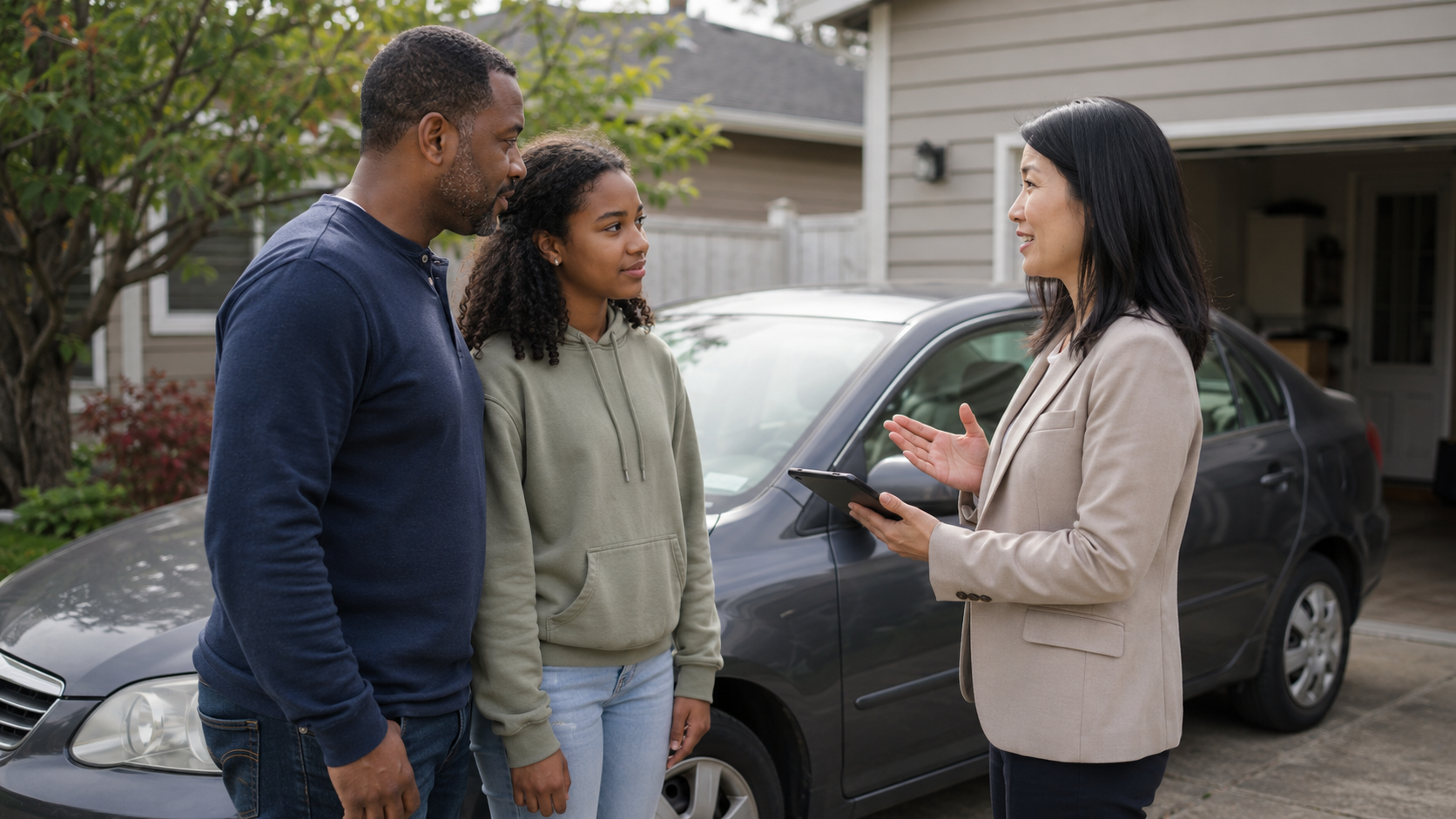
Your kid passed the road test, and the family group chat is celebrating. Your insurance company is also celebrating, in its own way: adding a 16-year-old to a typical family policy raises the premium by $2,500-$4,500 a year, and in some states it more than doubles the bill. Rates for teenage boys run higher still.
The insurers aren't inventing this. Drivers aged 16-19 crash at roughly three times the rate of drivers over 20, per mile driven — it's the highest-risk group on the road, and premiums track risk. You can't argue with the actuarial table, but you can work every legitimate discount and structural choice, and together they routinely cut the teen surcharge by 30-50%.
First, the decision that matters most: whose policy?
Add the teen to your existing policy. A separate standalone policy for a 16-year-old costs dramatically more — often $4,000-$7,000 a year on its own — because they'd be rated with no household history behind them. Keeping them on the family policy shares your multi-car and loyalty discounts and your track record. The exception is rare: if a parent has serious violations making the whole household expensive, or the teen owns a car titled solely in their name, run quotes both ways.
One thing you generally can't do: simply not tell your insurer about a licensed driver living in your house. Most policies require disclosure of all household drivers. If an undisclosed teen crashes, the insurer can deny the claim — turning a premium problem into a $30,000 problem.
The discounts that actually move the number
- Good student discount: 10-25% off the teen's portion for a B average or better. Send the report card or transcript each term. Over three years of high school this is easily $1,000-$2,500, for grades they were hopefully getting anyway.
- Telematics monitoring: 10-30% off for letting an app or plug-in device track speed, braking, and phone use. Most major insurers offer one. Bonus that has nothing to do with money: teens measurably drive better when they know the data exists, and you can see it too.
- Driver's ed and defensive driving courses: 5-15% in many states for an approved course, some of which cost $30-$50 online. Check which courses your specific insurer accepts before paying.
- Student-away-at-school discount: if the teen later attends college 100+ miles away without a car, this cuts their rating substantially while keeping them covered on breaks. Set a reminder for freshman year.
- Low-mileage rating: if the teen only drives a few thousand miles a year, say so. Mileage is a rating factor at almost every carrier.
The car itself is a rating decision
Insurers rate the specific vehicle a teen is assigned to. A modest used sedan or small SUV with good safety scores is the cheap answer; anything fast, large, or expensive is the costly one. The same 16-year-old might cost $1,800 a year to insure on a ten-year-old Civic and $4,500+ on a new muscle car or a lifted truck.
- Assign the teen to the cheapest car in the household — most insurers let you designate which driver primarily uses which vehicle.
- On an older car worth a few thousand dollars, consider dropping collision and comprehensive coverage for it entirely. Paying $900 a year to insure the value of a $3,000 car often fails the math test.
- Do not drop liability limits to save money. A teen at fault in a serious crash creates exactly the scenario where high liability coverage protects your house and savings. Trim coverage on the metal, never on the liability.
- Raising the collision deductible from $500 to $1,000 trims premiums 10-20% — just make sure the deductible amount actually exists in savings.
Shop the whole policy, every year
Insurers price teen risk very differently — more differently than they price adults. The carrier that was cheapest for your two-adult household is frequently not the cheapest once a teen joins. Get at least five quotes when you add the teen, and re-shop every renewal until they're about 25, because teen rates fall as clean years accumulate and carriers reward that at different speeds. An independent insurance agent (who quotes many carriers at once) makes this a single phone call instead of an evening of forms.
When comparing, match coverage exactly — same liability limits, same deductibles — or the comparison is meaningless. And check insurers you might not think of: regional carriers and companies like Erie, Auto-Owners, and USAA (military families) frequently beat the national brands on teen pricing.
What actually happens to the rate over time
- Every clean six-month renewal helps. The surcharge falls meaningfully at 18-19 and drops substantially by 21.
- One at-fault accident or a speeding ticket resets the clock and can add 20-50% for three to five years. This is worth saying out loud to the teen in dollar terms: a single ticket can cost the family $1,500+ over the years it stays on the record.
- Accident forgiveness riders ($40-$100 a year at some carriers) are worth pricing when you have a new driver — one forgiven at-fault crash pays for a decade of the rider.
Should the teen pay part of it?
Financially, that's your call. Behaviorally, there's a decent case: teens who cover even $50-$100 a month of their own insurance from a part-time job have skin in the game, understand what a ticket costs, and get a live tutorial in how insurance works — a subject school will never teach them. Pair it with the telematics app and the good-student discount, and the same kid who doubled your premium is at least helping claw some of it back.
Sources and further reading
The claims in this article were checked against the primary sources below. Programs, limits and costs change, so the official pages are always the final word.
- Teen DriversCenters for Disease Control and PreventionThe crash rate for drivers aged 16 to 19 relative to older drivers, which is what the premium increase tracks.
- Teen Safe Driving: How Teens Can Be Safer DriversNational Highway Traffic Safety AdministrationGraduated licensing and the risk factors insurers price, including night driving and passengers.
- Shopping smart: Tips for buying auto and home insuranceTexas Department of InsuranceHousehold driver disclosure, discounts to request by name, and comparing identical coverage across carriers.
- Auto insurance guideTexas Department of InsuranceWhy liability limits are the coverage not to cut, and how deductibles and vehicle assignment affect the premium.