Financial Recovery After a Natural Disaster: Step-by-Step Guide
Average disaster recovery costs $10,000-$50,000+. Here's the financial recovery checklist for the days and weeks after a disaster.
Jess Hale
Credit Cards & Consumer Credit
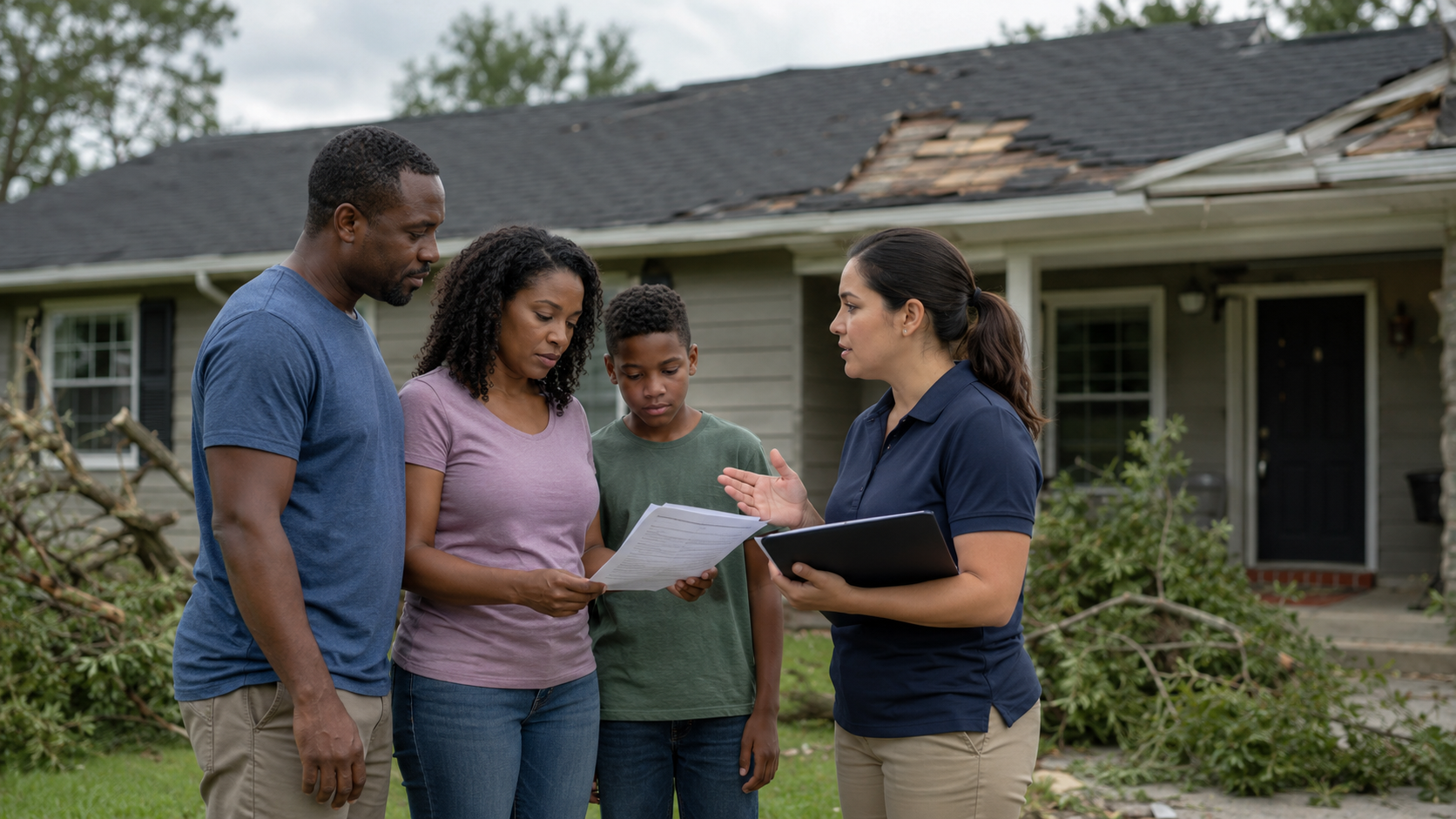
After the hurricane, flood, wildfire, or tornado passes, a second disaster starts: the financial one. It's slower, it's made of paperwork, and it routinely runs $10,000–$50,000 or more out of pocket even for insured households. The people who come through it best aren't the luckiest — they're the ones who documented everything, filed everything early, and knew which programs existed before the deadlines passed.
This is the checklist, in the order that protects you most. Safety first, obviously; nothing below matters until people are safe.
The first 72 hours
- Document before you clean. Photograph and video every room, every damaged item, the exterior, the yard, the cars. Get close-ups and wide shots. It will feel wrong to stand in your wrecked living room taking pictures instead of cleaning — do it anyway. This footage is the backbone of every insurance claim and assistance application you'll file for the next year.
- Call your insurance company and open a claim. After a major disaster, adjusters are booked out for weeks, and claims are generally worked in the order filed. Ask what your policy covers for "loss of use" — hotel, meals, temporary rent — because that coverage usually starts immediately.
- Register with FEMA at DisasterAssistance.gov, the FEMA app, or 800-621-3362 — but only if the President has issued a major disaster declaration for your county with individual assistance (the website will tell you). Apply even if you're insured; FEMA can cover what insurance doesn't, though it won't duplicate what insurance pays.
- Call your mortgage servicer. After federally declared disasters, servicers of most mortgages offer forbearance — paused or reduced payments, typically starting with 90 days — without late fees or credit damage. You must ask; it isn't automatic.
- Secure the property if it's safe to: tarp the roof, board windows, shut off water and gas if lines are compromised. Insurers require reasonable steps to prevent further damage, and these emergency costs are reimbursable. Keep every receipt.
- Solve housing. Insurance loss-of-use money, FEMA's Transitional Sheltering Assistance (hotel stays after some declared disasters), or Red Cross shelters. Track every night and every receipt.
The receipt rule that pays for itself
Starting now, keep every receipt connected to the disaster: hotels, meals, gas, tarps, generators, cleanup supplies, clothing, tool rentals, laundromats. Get one folder or one envelope, or photograph each receipt into a phone album. Insurance, FEMA, and taxes all reimburse or credit documented expenses and shrug at undocumented ones. Households leave thousands on the table for lack of a $2 folder.
Weeks one and two: work the programs
FEMA individual assistance is real but modest — it's designed to make homes safe and habitable, not to restore them. Grants for home repair, personal property, and other needs frequently land in the hundreds to low thousands of dollars; the program maximum (around $40,000-plus, adjusted annually) is rarely paid in full. If your FEMA award seems low, appeal — you typically have 60 days from the decision letter, appeals succeed regularly, and you can appeal with additional documentation like contractor estimates.
The heavyweight program most people skip is the SBA disaster loan. Despite the name, it's for homeowners and renters, not just businesses: low-interest, long-term loans for home repair (up to $500,000) and personal property including vehicles (up to $100,000), with rates far below market and repayment up to 30 years — check current terms at sba.gov. Two things to know: FEMA may refer you to SBA, and completing (not necessarily accepting) the SBA application can be required before FEMA will consider you for further grants. You can decline the loan after approval with no obligation. Fill it out.
- Disaster Unemployment Assistance: if the disaster cost you work and you don't qualify for regular unemployment (self-employed people included), DUA covers you. Apply through your state unemployment office — the window is short, often 30 days from announcement.
- D-SNAP: disaster food assistance for households that wouldn't normally qualify for SNAP, activated state by state after declarations. Your state human services agency announces application windows.
- State and local programs: states frequently activate housing, repair, and cash assistance after declarations. Dial 211 — it's the fastest index of what's live in your area.
- Utilities and phone carriers: most waive fees, pause billing, or offer payment plans in disaster zones. Call each one.
- Creditors: card issuers, auto lenders, and student loan servicers all have disaster hardship programs — deferred payments, waived fees. One call each, ask for the disaster or hardship department, get the terms in writing.
- Nonprofits: Red Cross financial assistance, Salvation Army, Catholic Charities, and long-term recovery groups that form after major disasters distribute cash and rebuilding help for months afterward.
Handling the insurance claim like it's a job
Because for a few weeks, it is. Read your policy's declarations page so you know your dwelling limit, personal property limit, deductible (hurricane and wind deductibles are often percentage-based — 2% of dwelling coverage on a $300,000 policy is $6,000, a surprise for many), and loss-of-use limit. Build a home inventory of damaged property with photos, approximate purchase dates, and replacement costs; check whether your policy pays replacement cost or depreciated actual cash value, because with replacement-cost coverage you're typically paid the depreciated amount first and the rest after you actually replace items — so keep those receipts too.
Meet the adjuster personally, walk every bit of damage, and don't accept the first settlement as final if it won't actually fund repairs — supplemental claims are normal, not confrontational. If the gap is large, a licensed public adjuster (10–15% of the settlement) or, for very large disputes, a policyholder attorney can change outcomes substantially. Flood damage, remember, is a separate NFIP or private flood claim with its own adjuster and its own deadlines, including a proof-of-loss form generally due within 60 days.
One more warning, because it's the most expensive mistake of the recovery phase: contractor fraud follows disasters like seagulls follow trawlers. Never pay large sums up front, never pay cash, never sign an "assignment of benefits" handing your insurance claim to a contractor without legal advice, and be suspicious of anyone door-knocking with "leftover materials." Verify licenses with your state, get multiple written bids, and pay in stages tied to completed work.
The longer tail: taxes, credit, and rebuilding the cushion
Casualty losses in federally declared disaster areas can be tax-deductible to the extent insurance doesn't reimburse them, and the IRS routinely extends filing and payment deadlines for affected counties — check irs.gov's disaster relief page, and consider a tax professional this year, because disaster-year returns have real money in them. If your financial records were destroyed, the IRS provides free transcripts of past returns.
Keep an eye on your credit through the chaos: forbearance protects you only when it's formally in place, so confirm every deferral in writing and check your reports free at AnnualCreditReport.com a couple of months in. And when the dust settles, rebuild your emergency fund before upgrading anything cosmetic — recovery spending has a way of continuing out of habit after the necessity ends. The disaster already took enough; don't let the recovery take the next five years too.
Sources and further reading
The claims in this article were checked against the primary sources below. Programs, limits and costs change, so the official pages are always the final word.
- DisasterAssistance.govU.S. federal government
- Individual AssistanceFederal Emergency Management AgencyWhat FEMA assistance does and does not cover.