Home Repair Emergency Fund: How Much You Need and Where to Save It
Homeowners spend $3,000-$5,000/year on repairs. A roof alone costs $8,000-$15,000. Here's how to prepare for every major home expense.
Rob Ellis
Debt & Budgeting

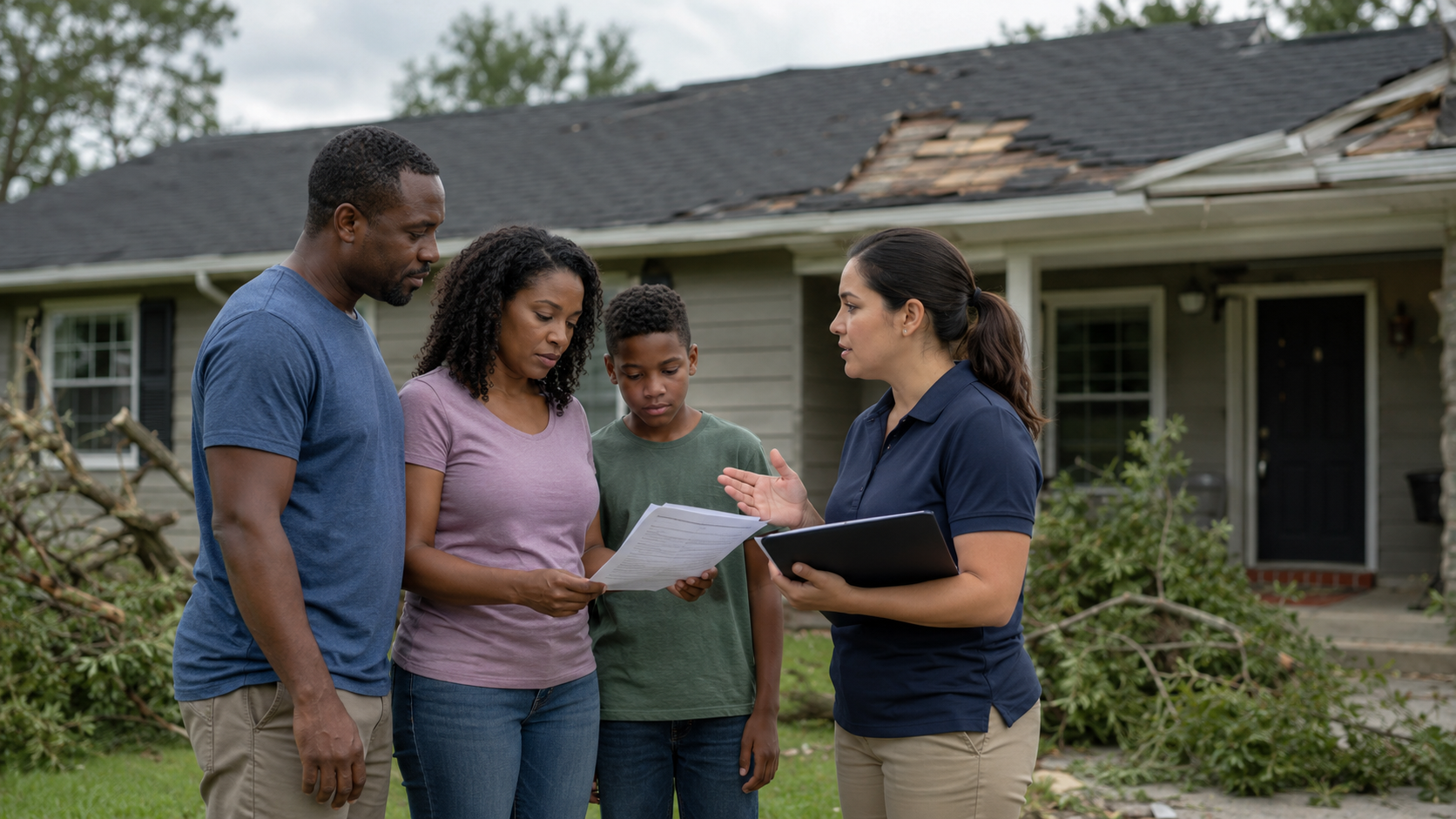
Nobody mentions this part at the closing table: a house is a collection of expensive components, every one of them on a countdown timer. The roof, the furnace, the water heater, the sewer line — they will all fail eventually, several of them on your watch, and none of them will check your bank balance first. Homeowners spend $3,000–$5,000 a year on repairs and maintenance on average, but it doesn't arrive in tidy monthly installments. It arrives as an $11,000 roof estimate on a random Tuesday.
A home repair fund converts that ambush into a line item. Here's how much you need and how to build it without hating your house.
The target: 1–2% of your home's value, every year
The standard guideline is to set aside 1% to 2% of your home's value annually for repairs and maintenance:
- $250,000 home: $2,500–$5,000/year, or roughly $210–$420/month
- $400,000 home: $4,000–$8,000/year, or $330–$670/month
- $550,000 home: $5,500–$11,000/year, or $460–$920/month
Lean toward the high end if your house is over 20 years old, if it has original major systems, or if you're in a climate that punishes roofs and pipes. Lean lower for newer construction still under builder and manufacturer warranties — but don't skip saving entirely, because new houses break too, just less often.
If those monthly numbers are unrealistic right now, don't abandon the idea — shrink it. Even $100 a month builds a $1,200 buffer in a year, which covers a water heater repair, a plumber visit, or an HVAC service call without touching a credit card. The habit matters more than the amount at the start.
Know what's coming: the big-ticket list
The smartest version of this fund isn't a vague pile of money — it's informed by the actual ages of your systems. Walk your house once and write down the age of each of these (manufacture dates are printed on data plates on furnaces, water heaters, and AC units; your inspection report from purchase has the rest):
- Roof (asphalt shingle): $8,000–$15,000 to replace, lasts 20–30 years
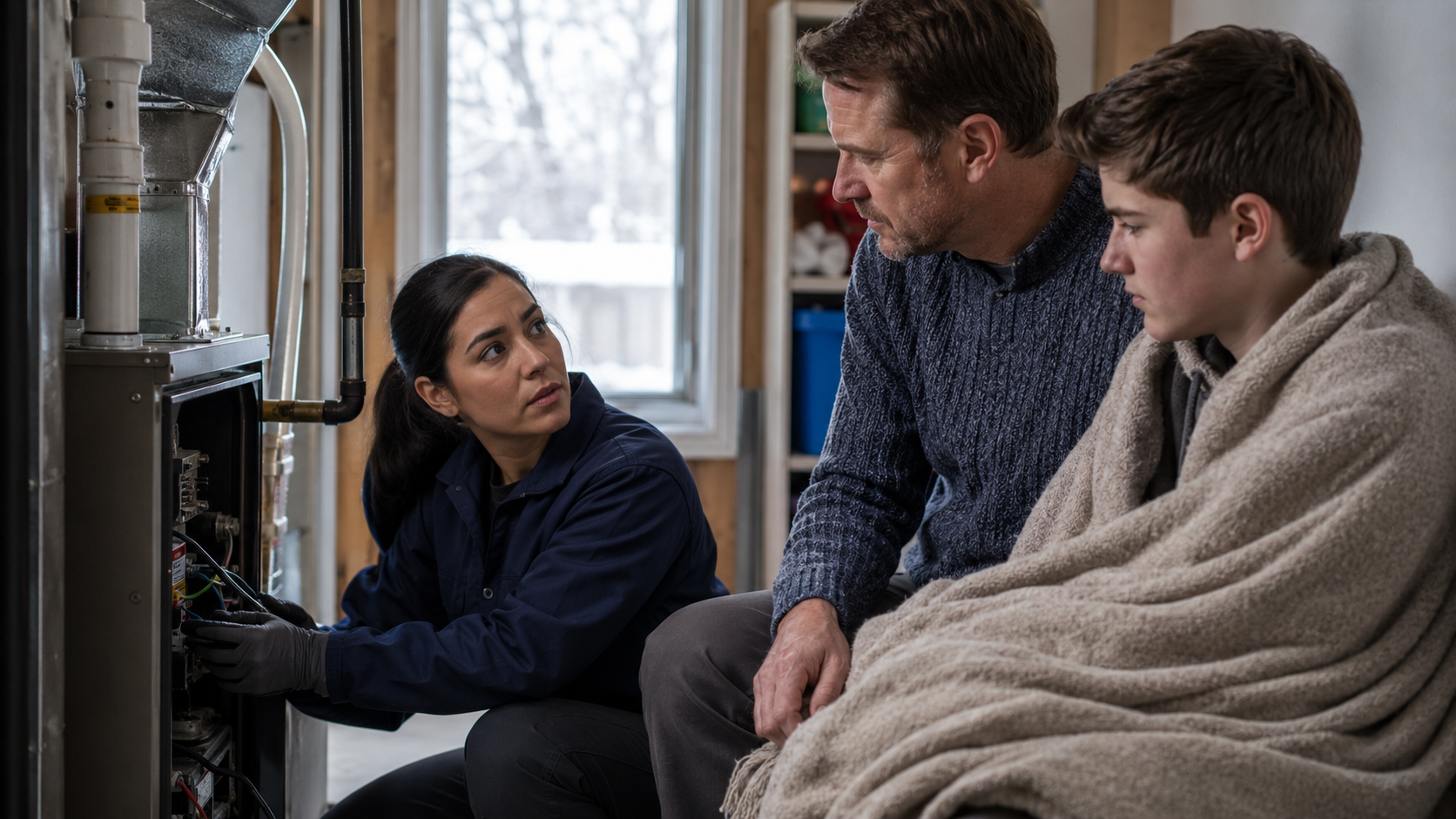
- Furnace: $3,000–$7,000, lasts 15–20 years; central AC or heat pump: $4,000–$8,000, lasts 12–17 years
- Water heater: $1,200–$3,500 installed, lasts 8–12 years
- Sewer line: $4,000–$10,000+ to replace, and tree roots don't send warnings
- Exterior paint or siding repair: $3,000–$10,000 every 7–15 years
- Windows: $300–$1,000+ each, usually replaced in batches
- Foundation repair: $2,500–$15,000 depending on severity — the range where catching it early pays most
- Electrical panel upgrade: $1,500–$4,000; full repipe or rewire on older homes: $8,000–$15,000+
Now the fund has a schedule. A 16-year-old roof and a 9-year-old water heater means the next five years likely hold $10,000–$18,000 of non-optional spending, and your monthly savings number should reflect that rather than the generic 1%.
Where to keep it
A high-yield savings account, separate from both your checking and your general emergency fund. Separate matters: when the furnace money and the job-loss money share an account, one crisis quietly consumes the other's cushion. Online high-yield accounts pay several percent in interest with FDIC insurance and no lockup — exactly right for money that might sit for three years or get spent next month. Don't invest this fund in the market; a roof leak doesn't wait for stocks to recover.
Automate the transfer on payday, same as any bill. If you have a mortgage escrow account, you already know this trick works — escrow is just forced savings for taxes and insurance. This is escrow for everything the bank doesn't make you save for.
What about a home warranty instead?
Mostly, save the money yourself. Home warranties run $400–$800 a year plus a $75–$150 service fee per visit, and the industry is notorious for denied claims ("pre-existing condition," "improper maintenance"), slow contractor dispatch, and repairing when replacement is warranted. State attorney general offices field a steady stream of complaints about them. The same $600 a year in your own account has no exclusions, no deductible, and no arguing.
The exception: your first year in a home with aging systems, when the fund doesn't exist yet — a warranty (often seller-paid in the purchase) can bridge the gap. Read the coverage caps before counting on it; many cap HVAC payouts far below replacement cost.
Backstops for when the repair beats the fund
Sometimes the sewer line fails in year one. Options, in rough order of preference: a HELOC set up in advance (cheap to open, costs nothing until drawn, and rates beat credit cards by a wide margin), a credit union home improvement or personal loan, or 0% promotional financing from the contractor or a card — only with a payoff plan that finishes before the promotion does. For lower-income homeowners, real help exists: USDA Section 504 grants and 1% loans for rural homeowners, city and county emergency repair programs (often federally funded, search your city plus "home repair assistance"), weatherization assistance, and Habitat for Humanity's home repair programs in many areas. Dial 211 to find what operates where you live.
And spend a little of the fund on prevention, which has the best return in homeownership: $150–$300 a year for HVAC servicing and gutter cleaning routinely heads off four-figure failures. Change the furnace filter, flush the water heater, caulk what needs caulking. The cheapest repair is the one that stays hypothetical.
Sources and further reading
The claims in this article were checked against the primary sources below. Programs, limits and costs change, so the official pages are always the final word.
- Deposit InsuranceFederal Deposit Insurance CorporationWhy a high-yield savings account is the right home for repair money, and what deposit insurance covers.
- Single Family Housing Repair Loans & GrantsRural Development, U.S. Department of AgricultureUSDA Section 504 loans and grants for lower-income rural homeowners.
- Home ImprovementsU.S. Department of Housing and Urban DevelopmentHUD's list of home repair financing and local assistance routes.
- Weatherization Assistance ProgramU.S. Department of EnergyFree efficiency and heating-system work for income-qualified households.
- Call 211 for Essential Community ServicesUnited Way 211How to find local emergency home repair programs.