10 Ways to Cut Your Grocery Bill Starting This Week
Grocery prices are up 25% since 2020. Here are 10 concrete strategies to bring your bill down without eating ramen every night.
Al Kessler
Investing Fundamentals
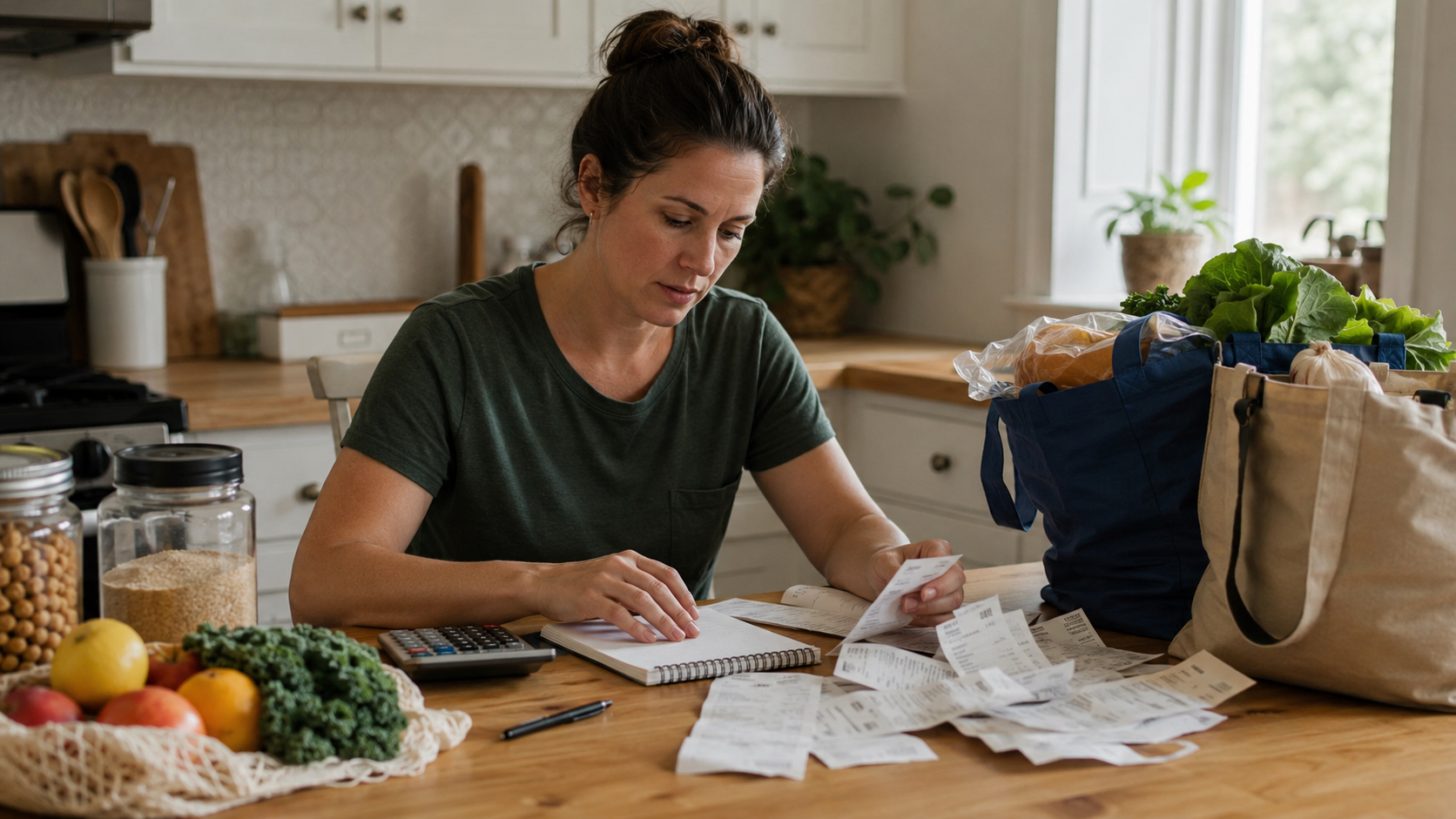
Grocery prices are up roughly 25% since 2020, and for a lot of families the food line item now rivals the car payment. A family of four commonly spends $1,000-$1,400 a month at the store, and a meaningful slice of that, often $150-$300, buys convenience markups, brand names, and food that ends up in the trash.
You don't need coupons-as-a-hobby or a ramen diet. Here are ten changes, roughly in order of impact, that families use to cut 20-40% off the bill.
1. Plan Five Dinners a Week, Not Seven
Unplanned shopping is the single biggest leak. Without a plan, you buy ingredients that don't combine into meals, then order takeout anyway. Plan five dinners (seven is too rigid and you'll quit), leave two nights for leftovers or something easy, and build the shopping list from the plan. This one habit typically cuts a grocery bill 15-20% by itself, and it's the reason meal-planning families spend visibly less than everyone else in the checkout line.
2. Switch to Store Brands Almost Everywhere
Store brands run 25-40% cheaper than name brands, and for staples, pasta, flour, canned tomatoes, butter, cereal, cleaning products, over-the-counter medicine, they're frequently made by the same manufacturers. Run a blind taste test with your household on the five name brands you're most loyal to. Keep the one or two where someone can genuinely tell the difference and switch the rest. On a $1,200 monthly bill, this is worth $100-$200.
3. Try One Month at Aldi (or Whatever Your Cheap Store Is)
Stores in the same zip code differ 20-40% on an identical basket. Aldi, Lidl, WinCo, Market Basket, Grocery Outlet, and warehouse clubs consistently beat conventional supermarkets on staples. You don't have to move your whole shop: many families do a big monthly staples run at the cheap store and a small weekly top-up nearby. Compare two receipts side by side once and you'll know exactly what your current store's convenience is costing.
4. Attack Food Waste Directly
The average American family throws away over $1,000 a year in food, some estimates run higher. That's not a rounding error; it's a car insurance policy in the garbage.
- Designate a leftovers night every week. Whatever's in the fridge gets eaten before new food gets cooked.
- Keep an "eat me first" bin in the fridge for things nearing the end.
- Freeze aggressively: bread, cheese, sliced fruit for smoothies, herbs in olive oil in an ice cube tray, the second half of the meat pack.
- Buy loose produce in the quantity you'll actually use instead of the bagged bundle that's cheaper per pound and rots half-eaten.
5. Stop Paying the Prep Markup
Pre-cut vegetables, shredded cheese, pre-made salads, single-serve snack packs, and "stir-fry ready" kits cost 2-4x the whole-ingredient price. A $5 bag of prepped stir-fry vegetables is about $1.50 of peppers and broccoli plus $3.50 of knife work. You don't have to be absolutist, prepped food you'll actually eat beats whole vegetables you'll throw out, but know which items you're paying triple for and decide on purpose.
6. Shop the Protein Sales and Buy in Bulk
Meat is most families' biggest line item. Family packs run 20-30% less per pound; portion them into freezer bags the day you buy. Better: check the weekly ad first and plan meals around whatever protein is on sale, chicken thighs one week, pork shoulder the next, and stock the freezer when prices bottom. Swapping one or two meat dinners a week for beans, eggs, or lentils saves another $30-$60 a month and nobody suffers.
7. Use the Store App Before Every Trip
Five minutes loading digital coupons in the store's loyalty app saves $10-$30 per trip at chains like Kroger, Safeway, and Food Lion, and the app often gates the real sale prices, the shelf tag will say "$1.99 with digital coupon." Cash-back apps like Ibotta and Fetch add $10-$30 a month for scanning receipts. None of this requires scissors.
8. Reshape the Cart Toward Cheap Calories That Are Still Food
Rice, oats, beans, lentils, potatoes, pasta, eggs, bananas, cabbage, carrots, frozen vegetables, and whatever fruit is in season are the backbone of a cheap cart. Frozen produce deserves special mention: it's picked ripe, nutritionally comparable to fresh, roughly half the price out of season, and it can't rot in your crisper drawer. Out-of-season berries at $6 a pint are a luxury good; buy them frozen at $2.50 and save the fresh ones for June.
9. Check the Clearance Section and the Unit Prices
Marked-down meat and day-old bakery items are fine, cook or freeze them today. And read the shelf's unit price (the small per-ounce or per-pound number), because package sizes are engineered to confuse: the bigger box is usually cheaper per unit but not always, and "family size" is sometimes the worst deal on the shelf.
10. Put a Number on the Trip
Decide what the week's shop should cost before you enter the store, and keep a running total in your head or the calculator app as you go. Shopping with a target changes behavior in a way that vague intentions don't. Eat before you go, too; hungry shopping is measurably more expensive. If overspending is chronic, try paying cash for groceries for a month, the physical limit does the discipline for you.
If the Budget Genuinely Doesn't Cover Food
- SNAP: income limits are higher than most people assume, generally around 130% of the federal poverty level gross, and benefits average a couple hundred dollars per person per month. Apply through your state's SNAP office even if you're unsure you qualify.
- WIC covers specific nutritious foods for pregnant women, new mothers, and children under 5.
- Food banks and pantries: most require no income documentation. Find one near you at FeedingAmerica.org.
- School meals: many districts offer free breakfast and lunch to all students; where they don't, applications are confidential.
There's no shame in any of these. They exist for exactly the situation where the math stops working, and the money they free up keeps the rent paid.
Sources and further reading
The claims in this article were checked against the primary sources below. Programs, limits and costs change, so the official pages are always the final word.
- Food Price OutlookEconomic Research Service, USDAOfficial food-at-home price change data, used to check the claim that grocery prices rose sharply since 2020.
- USDA Food Plans: Monthly Cost of Food ReportsFood and Nutrition Administration, USDAUSDA's monthly grocery cost estimates by household size and age, the benchmark for what a family of four spends.
- Food Loss and WasteU.S. Department of AgricultureFederal estimates of household food waste, behind the section on what families throw away.
- SNAP EligibilityFood and Nutrition Administration, USDAThe gross income test (generally 130 percent of the federal poverty level) and how to apply through your state.
- Find Your Local Food BankFeeding AmericaThe nationwide food bank locator named in the article.