Coupon Stacking in 2026: How It Actually Works Now
Forget the binder of clippings. Modern couponing is browser extensions, store apps, cash-back portals, and knowing which stores let you stack.
Al Kessler
Investing Fundamentals
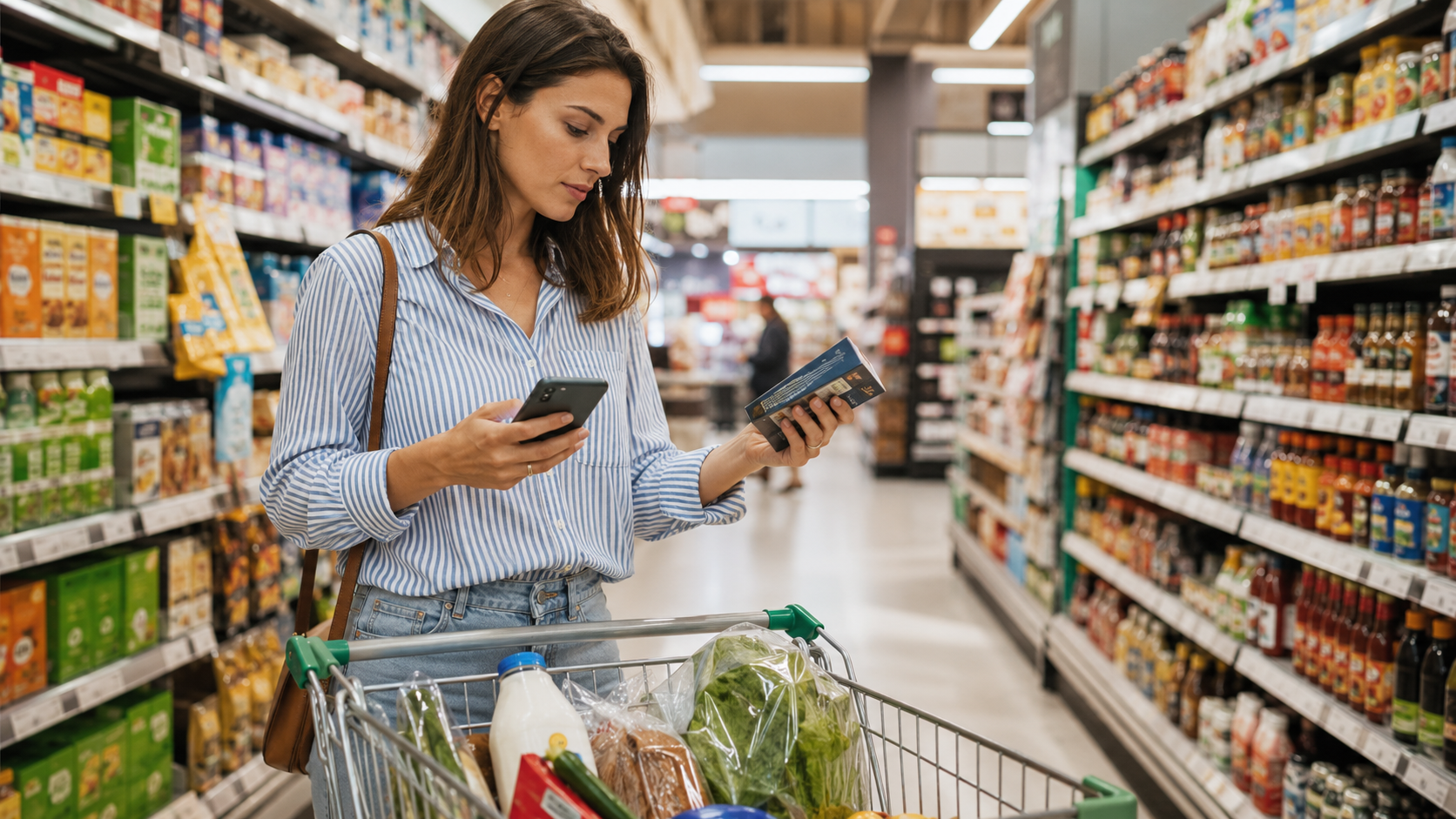
Forget the binder. The extreme-couponing image — newspaper inserts, filing systems, 47 bottles of mustard — is fifteen years out of date. Modern couponing is a phone thing: store apps, cash-back apps, browser extensions, and shopping portals, layered on top of each other. It takes about five minutes before a shopping trip, nobody at checkout knows you're doing it, and it reliably trims 15% to 40% off groceries and online orders.
The core idea hasn't changed: stacking. One discount is fine; the win is layering several different types of discount on the same purchase, because most of them come from different pockets and don't exclude each other.
The grocery stack, layer by layer
- Store sale price. Check the weekly ad in the store's app, or use Flipp, which aggregates every local flyer. Plan the list around what's already down.
- Digital store coupon. Loaded to your loyalty account in the store's app (Kroger, Safeway/Albertsons, Target Circle, Walmart). This is the modern replacement for clipping — 30 seconds of tapping before you shop.
- Manufacturer coupon. Also increasingly digital, via the store app or Coupons.com. Store and manufacturer coupons stack on the same item at most major grocers — that's the classic combo.
- Cash-back app rebate. Ibotta or Fetch, claimed after purchase by scanning your receipt. Comes from the brand's marketing budget, so it stacks on top of everything above.
- Credit card rewards. A card earning 2% to 5% on groceries discounts the whole cart, silently. (Only if you pay the balance monthly — carrying a balance at 20%-plus interest vaporizes every saving in this article.)
Worked example: cereal shelf-priced at $5, on sale for $3.50, minus a $1 digital store coupon, minus a $0.75 Ibotta rebate, minus 3% card cash back — you paid about $1.70 for a $5 box. Nothing extreme happened. You tapped a screen a few times.
Which apps are worth the phone space
- Your main grocery store's own app: non-negotiable, this is where the best coupons live. Kroger and Target Circle are particularly strong.
- Ibotta: product-specific grocery rebates, typically $0.25 to $3 each. Realistic haul for a normal household that checks it before shopping: $15 to $40 a month. Cashes out to PayPal or gift cards at $20.
- Fetch Rewards: scan any receipt, earn points regardless of what you bought. Lower value per receipt than Ibotta but zero planning. Treat it as found change.
- Flipp: the flyer aggregator, best for comparing prices across stores before you pick where to shop.
- Skip anything that wants a monthly subscription before it shows you the savings, and know the real price of free apps: your purchase data. That's the trade; make it knowingly.
Online shopping: portals and extensions
For non-grocery spending, the stack moves to your browser. Two tools do most of the work:
- Cash-back portals: Rakuten and TopCashback pay 1% to 10% back at thousands of retailers — you click through the portal (or its extension) before buying, and a rebate posts to your account. This is an affiliate commission being split with you; it's legitimate and it stacks with sales, promo codes, and card rewards.
- Coupon-code extensions: Honey, Rakuten's extension, or Capital One Shopping auto-test promo codes at checkout. Hit rate is maybe one in four, but it's zero effort and occasionally saves 15% you didn't know existed.
- Discounted gift cards add one more layer for planned purchases: sites like Raise sell retailer gift cards at 2% to 15% off face value. Buy a discounted card, then spend it during a sale, through a portal.
- Stacking order for a big planned purchase: wait for a sale, click through a cash-back portal, apply a promo code, pay with a discounted gift card or a rewards card. Layered, that's routinely 20% to 30% off a full-price item.
Store rules vary — a quick field guide
- Most major grocery chains: one store coupon plus one manufacturer coupon per item stacks; two manufacturer coupons on one item doesn't.
- Target: famously stack-friendly — Circle offers, manufacturer coupons, and gift card promotions can combine. Read each offer's terms in the app.
- Walmart: everyday-low-price model, thin on coupons; the play there is rebate apps and their price tools.
- Drugstores (CVS, Walgreens): deep stacking through loyalty rewards (ExtraBucks, Walgreens Cash) layered on sales and coupons — the old extreme-couponing habitat, still lucrative for toiletries if you enjoy the game.
- When in doubt, the store app's offer terms answer it. Cashiers don't set policy and mostly don't care.
The markdown schedule: couponing without coupons
Every supermarket marks down perishables on a rhythm. Meat approaching its sell-by date typically gets 30% to 50% off stickers in the morning, often 7 to 9 a.m. — it's perfectly safe, freeze it the day you buy it. Bakery marks down in the evening; produce clearance varies mid-week. Ask the department manager when markdowns happen; they'll usually just tell you. Pairing markdown timing with the stack above is how grocery bills genuinely drop by a third.
What's not worth your time — and one real warning
Skip chasing pennies: driving to a second store to save $1.50, printing coupons for brands you don't use, or buying things because they're discounted — a deal on something you didn't need is spending, not saving. The five-minute version (store app before shopping, Ibotta after, extension installed, right card) captures most of the value; hour three of optimization pays minimum wage.
The warning: never pay money to join a couponing program, and treat too-good coupon PDFs from social media as counterfeit, because they usually are. Real coupons come from the store's app, the manufacturer's site, or established apps — all free. Anyone selling you access to discounts is the discount.
Sources and further reading
The claims in this article were checked against the primary sources below. Programs, limits and costs change, so the official pages are always the final word.
- Deceptive PricingFederal Trade CommissionFederal limits on how discounts and 'original' prices may be advertised.
- Food Product DatingFood Safety and Inspection Service, USDAWhat sell-by and best-by dates actually mean, which is why marked-down meat is safe to buy and freeze.
- ReportFraud.ftc.govFederal Trade CommissionWhere to report counterfeit coupon offers and pay-to-join coupon schemes.
- Consumer Credit — G.19Board of Governors of the Federal Reserve SystemAverage credit card rates, behind the warning that carrying a balance wipes out every rebate in the article.