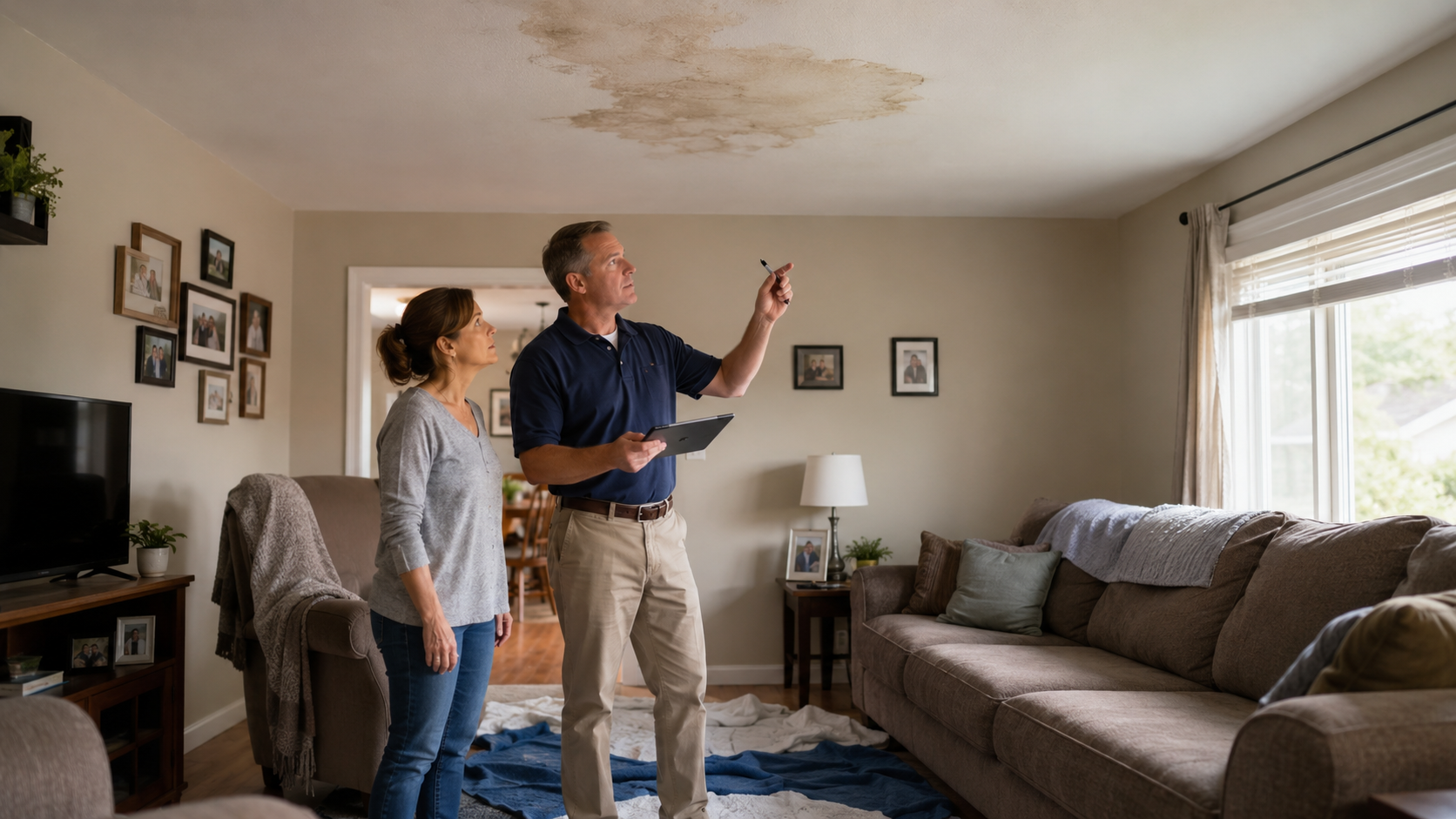
Major Appliance Broke? Repair vs. Replace Decision Guide
Your fridge, washer, or HVAC just died. Here's the repair vs. replace framework that saves you money, plus tips for buying smart.
Dave Brennan
Risk & Investor Behavior
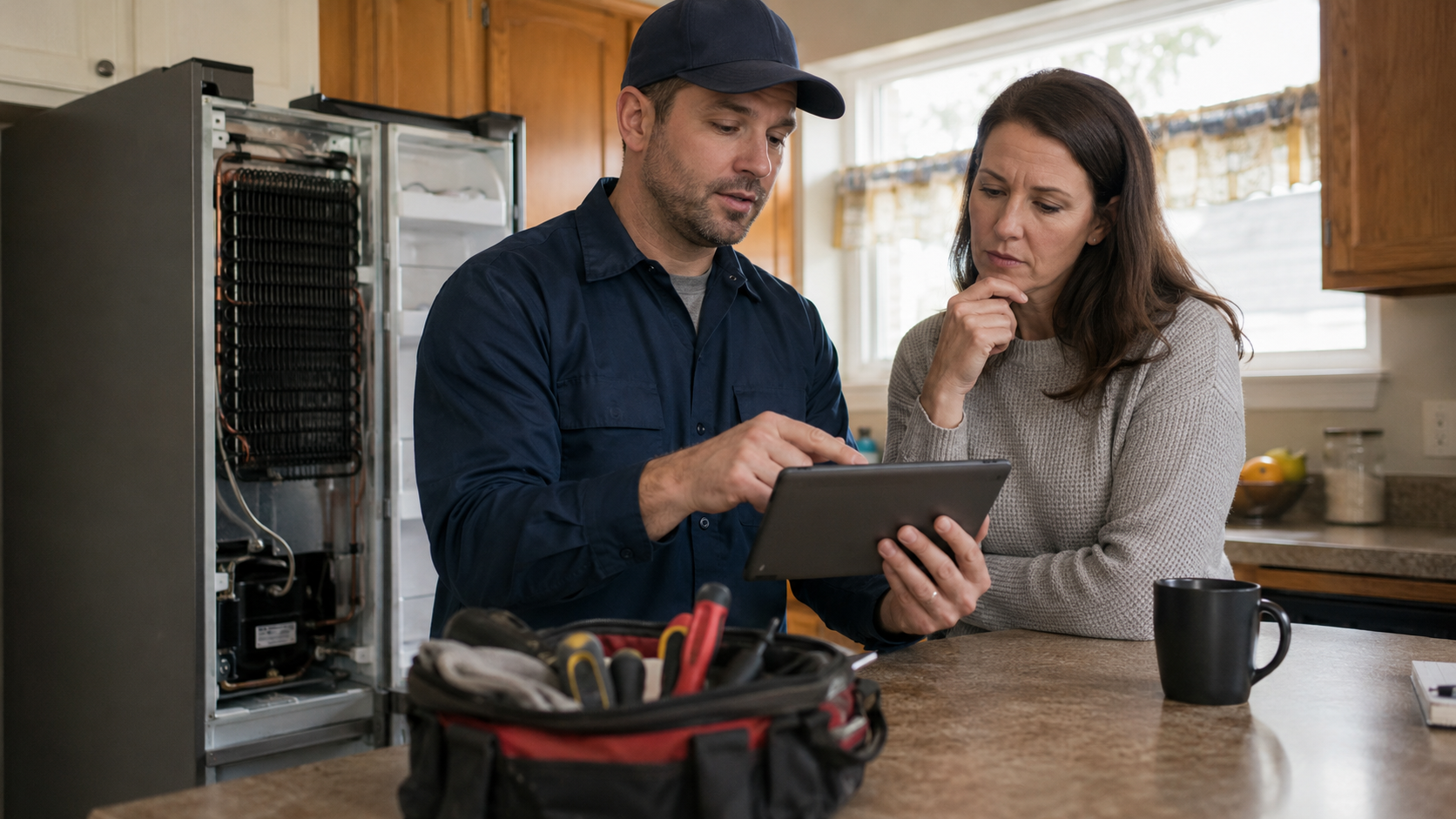
The refrigerator stops humming, the washer starts screaming, or the dryer just quits — always, somehow, at the worst financial moment. Now you're facing the classic homeowner's dilemma: pay a repair tech a few hundred dollars to maybe fix it, or drop $800–$2,500 on a replacement you weren't planning to buy.
There's a reliable framework for this decision, and it takes about ten minutes to apply. Work through it before you panic-buy anything.
The 50% rule, plus age
The standard rule of thumb: if the repair costs more than 50% of the price of a comparable new unit, and the appliance is past half its expected lifespan, replace it. Both conditions matter. A $300 repair on a 3-year-old, $1,200 fridge is an easy yes. The same $300 repair on a 13-year-old fridge is throwing money at a machine that's near the end regardless — the compressor you fix today doesn't stop the icemaker from dying next spring.
To apply the rule, you need typical lifespans:
- Refrigerator: 10–15 years
- Washer: 10–13 years
- Dryer: 10–13 years
- Dishwasher: 9–12 years
- Range/oven: 13–15 years (gas often outlasts electric)
- Microwave: 8–10 years
- Water heater: 8–12 years
- Central AC/heat pump: 12–17 years; furnace: 15–20 years
And typical repair costs, so you can sanity-check any quote: a service call alone runs $75–$150 (usually credited toward the repair if you proceed). Common fixes — washer drain pump, dryer heating element, fridge fan motor, dishwasher inlet valve — mostly land between $150 and $400 with labor. The expensive ones are fridge compressors ($250–$650), sealed-system refrigerant leaks (often $500+, frequently not worth it), washer drum bearings or transmissions ($350–$500), and anything on a built-in or high-end unit, where parts alone can be very expensive.
Before you call anyone: the 15-minute checks
A meaningful share of "broken" appliances are fixed by things that cost nothing. Run through these first:
- Check the breaker panel. A tripped breaker looks exactly like a dead appliance. Flip it fully off, then on.
- Fridge not cooling? Vacuum the condenser coils (back or underneath) — dust-choked coils are one of the most common causes — and make sure the vents inside aren't blocked by food.
- Dryer running but not drying? Clean the lint trap, then check the exterior vent for blockage. A clogged vent duct mimics a dead heating element and is also a fire hazard.
- Washer not draining? Most front-loaders have a small drain-pump filter behind a lower access panel. A sock or coin in there is a five-minute fix.
- Dishwasher not cleaning? Clear the filter at the bottom of the tub and check the spray arms for debris.
- Search the exact symptom plus your model number. Sites like RepairClinic and the manufacturer's support pages, plus YouTube teardowns of your exact model, will tell you whether the likely culprit is a $25 part or a $400 one.
Also check whether you're covered before spending a dime: the manufacturer's warranty (usually 1 year, but sealed systems and some parts carry 5–10 years), an extended warranty you may have forgotten buying, or your credit card — many cards automatically extend the manufacturer's warranty by a year on items purchased with the card. And search the model on the CPSC recall database at cpsc.gov; a recalled appliance may be repaired or replaced free.
If you repair: getting a fair price
Get the diagnosis and quote itemized — part, labor, service fee — and don't be shy about saying you need to think about it. If the number seems high, one more phone quote takes ten minutes. Independent techs are frequently 20–30% cheaper than factory-authorized service for out-of-warranty work.
For the mechanically comfortable: many common repairs are genuinely DIY-able. A dryer heating element is a $30–$60 part and an afternoon; same for most door seals, fill valves, and thermostats. Order parts by model number from RepairClinic, AppliancePartsPros, or the manufacturer. Skip DIY for anything involving refrigerant, gas lines, or sealed systems — those need a licensed pro, both for safety and because the specialized equipment matters.
If you replace: how to not overpay
- Scratch-and-dent outlets and open-box sections (Best Buy Outlet, Lowe's/Home Depot clearance, local appliance liquidators) sell new units with cosmetic dings for 20–50% off. A scratch on the side that faces the wall is free money.
- Timing matters: new models arrive in fall for most appliances, so September–November clearance is real. Holiday weekends (Memorial Day, Labor Day, Black Friday) bring the deepest advertised discounts.
- Ask for the display model. Floor units often go for 15–25% off if you ask a manager.
- Check for utility rebates and efficiency incentives. Many utilities pay $50–$200 for ENERGY STAR appliances, and federal and state efficiency rebate programs have offered substantial amounts on heat pump water heaters, heat pump dryers, and electric ranges — check your utility's site and the ENERGY STAR rebate finder for what's live in your area, and whether your household income qualifies for enhanced amounts.
- Skip the extended warranty at the register, generally. They're priced as profit centers. If you want protection, your credit card's extended warranty is free, and a repair fund in savings covers every appliance instead of one.
- Haggle on delivery, installation, and haul-away. These add $100–$250 at list price and are frequently waived to close a sale, especially if you're buying more than one unit.
If you can't afford either right now
A dead fridge or a broken furnace isn't something to white-knuckle through. If money is the blocker: LIHEAP, the federal energy assistance program, can in many states help repair or replace a broken furnace or cooling equipment, not just pay bills — apply through your state's LIHEAP office. Some states also run weatherization programs that replace failing appliances. Dial 211 for local emergency assistance funds, which sometimes cover essential appliances for families with children.
For a stopgap, secondhand works: a used fridge or washer from Facebook Marketplace runs $100–$300, and habitat-style ReStores sell donated appliances cheap. It's a bridge, not a destination — but a $150 used washer beats a rent-to-own contract every single time. Rent-to-own stores charge effective annual rates that routinely exceed 100% once you total the payments; a $600 washer can end up costing $1,500. Avoid them even when the weekly payment looks friendly. Especially when it looks friendly.
Sources and further reading
The claims in this article were checked against the primary sources below. Programs, limits and costs change, so the official pages are always the final word.
- Recalls & Product Safety WarningsU.S. Consumer Product Safety CommissionThe federal recall database to check by model number before paying for a repair.
- Special Offers and Rebates from ENERGY STAR PartnersENERGY STAR, U.S. Environmental Protection AgencyUtility and state rebates on efficient appliances, searchable by ZIP code.
- Low Income Home Energy Assistance Program (LIHEAP)Office of Community Services, HHSLIHEAP can repair or replace failing heating and cooling equipment in many states, not just pay bills.
- Call 211 for Essential Community ServicesUnited Way 211Where to find local emergency assistance funds that cover essential appliances.